What Is a Hot Drinks Machine and Which Type Is Best? Le Tach Vending Pte Ltd - Vending Machine Singapore, Hot and Cold Vending, Can Vending, Snack Vending

What Is a Hot Drinks Machine and Which Type Is Best?

Choosing a Hot Drinks Machine is no longer a simple question of capsule, bean, or powder. The right choice depends on drink volume, service speed, maintenance, and taste expectations. A quiet countertop unit may suit a small office, while a plumbed commercial system can handle long queues without constant refilling.

The International Coffee Organization reported global coffee consumption of about 177 million 60-kilogram bags in 2023/24. This figure shows the scale of demand, but it does not explain which machine performs best. The Specialty Coffee Association also stresses consistency, water quality, extraction control, and staff training across professional coffee service. These details matter. A machine with impressive specifications may still produce flat coffee when its grinder is poorly adjusted.

Coffee expert James Hoffmann has repeatedly emphasized a practical principle: “The most important thing is that you enjoy it.” That idea applies to machine selection, although it is not the whole answer. Taste is personal. Operating cost is not.

This guide compares automatic, bean-to-cup, capsule, filter, and traditional espresso systems. It considers brewing quality, cleaning time, energy use, capacity, and total ownership cost. Euromonitor International’s hot-drinks research also indicates that convenience continues shaping beverage purchasing habits, especially in workplaces and foodservice locations. Yet convenience can hide compromises. A fast machine may create more waste, require expensive proprietary supplies, or limit drink customization.

The best Hot Drinks Machine is therefore not always the most advanced model. It is the one that matches real demand, available skills, and daily cleaning discipline. That answer is less glamorous, but more dependable.
What Is a Hot Drinks Machine and Which Type Is Best?

What Is a Hot Drinks Machine?

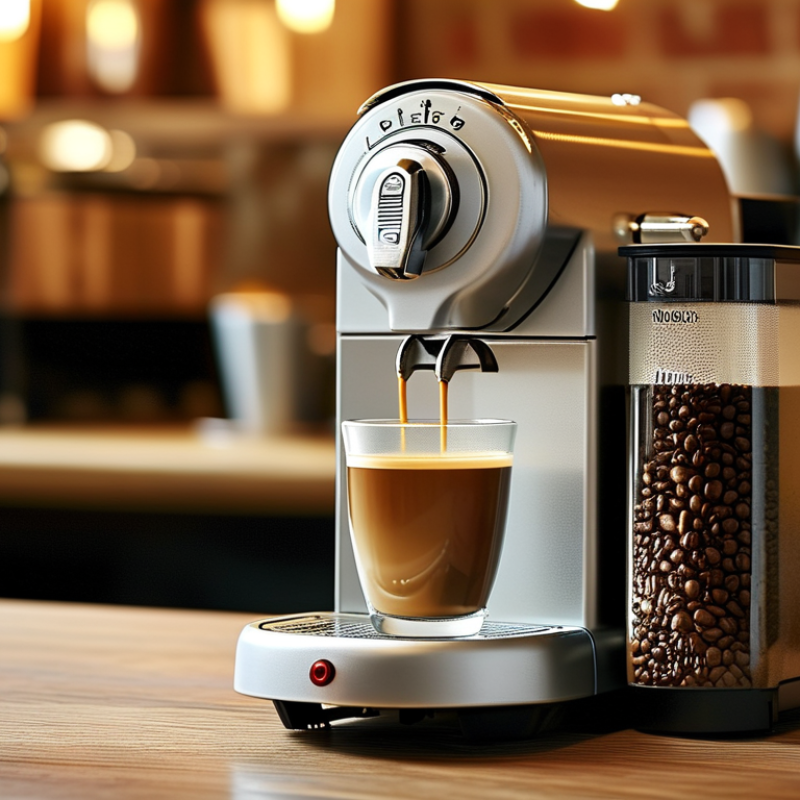
A hot drinks machine is an appliance that prepares heated beverages with limited manual effort. It may heat water, mix ingredients, brew ground coffee, or dispense ready-made drinks. Common examples include coffee makers, tea dispensers, vending machines, and compact countertop units. The best definition is practical: it turns stored water and drink ingredients into a warm serving.

Some machines use capsules or powdered ingredients, while others accept fresh milk, tea leaves, or coffee grounds. A built-in heater usually controls water temperature, and an internal pump or gravity system moves the liquid. The control panel may offer buttons, touch settings, or simple switches. It is not magic. Every machine needs clean water, suitable ingredients, and regular care.

In busy offices, I have found speed valuable, especially during short breaks. However, convenience can hide weaknesses. A fast machine may produce a less balanced drink if the temperature or mixing ratio is poorly adjusted. Cleaning also matters because milk residue can develop unpleasant smells and hygiene problems. Look for removable parts, clear maintenance instructions, and a stable heating system. Check the serving size too. Some machines make small cups only. Others waste energy by keeping water hot all day. Personal taste, daily volume, available space, and cleaning time should guide the choice. There is no perfect type.

What Is a Hot Drinks Machine and Which Type Is Best?

A hot drinks machine heats water and combines it with ingredients such as coffee, tea, milk, or chocolate. The best type depends on the beverage being prepared and the temperature it requires.

Typical Preparation Temperature Ranges

These temperature ranges show common settings used by hot drinks machines for different beverages. Coffee generally requires high-temperature water, while green tea needs a lower temperature to protect its delicate flavor.

How Hot Drinks Machines Work

A hot drinks machine prepares beverages by heating water, measuring ingredients, and controlling flow. It starts with water. Inside, a heating element raises the temperature in a small tank or instant-heating chamber. A pump then moves the water through coffee, tea, chocolate powder, or a milk system.

The machine’s control panel sets temperature, volume, and brewing time. Sensors monitor water levels and heating performance. In a capsule-free system, ground ingredients pass through a filter under pressure. This extracts flavour while leaving most solids behind. An instant powder machine mixes measured powder with hot water. A fresh-brew machine steeps or brews ingredients for longer, often producing a fuller taste.

In daily use, I have found that water quality affects performance more than many users expect. Hard water can leave mineral deposits around valves and heaters. These deposits may slow heating and alter flavour. Regular rinsing helps, but it does not replace proper descaling. Milk systems need extra care. Warm residue can spoil quickly and block narrow tubes.

The best type depends on demand and drink preferences. An instant system suits quick service and simple menus. A fresh-brew model suits users who value stronger flavour and visible preparation. An automated milk machine offers convenience, though its cleaning routine is less forgiving. No machine is maintenance-free. That is easy to forget. Temperature readings may also differ slightly between the heater and the cup, so testing the final drink remains sensible.

What Types of Hot Drinks Machines Are Available?

Hot drinks machines prepare beverages such as coffee, tea, cocoa, and hot water with limited manual work. Their designs differ by ingredients, brewing method, capacity, and cleaning requirements. Choosing the right type depends on drink quality, serving speed, available space, and daily demand.

Bean-to-cup machines grind whole beans before brewing each serving. They usually produce fresher coffee with adjustable strength and milk options. However, grinders, milk lines, and brewing chambers need regular cleaning. I have found that neglected cleaning can quickly affect flavour and hygiene. These machines suit offices, cafés, and reception areas with steady coffee demand.

Pod or capsule machines offer consistent portions and simple operation. They are practical where users want quick drinks without measuring coffee. Their drawbacks include packaging waste and fewer choices outside the available pods. Instant machines dissolve powdered ingredients in hot water, making them fast and relatively easy to maintain. They work well in busy waiting rooms, although the taste may seem less layered.

Filter coffee machines brew larger quantities into a pot or insulated container. They are useful during meetings, breakfast service, or busy mornings. Tea boilers and hot-water dispensers focus on speed rather than drink variety. Some commercial machines combine coffee, tea, cocoa, and milk drinks in one unit. These models can save counter space, but complicated systems may require stronger staff training and more frequent servicing. A smaller machine is not always the wiser choice. Capacity estimates often fail when demand rises unexpectedly.

What Is a Hot Drinks Machine and Which Type Is Best? - What Types of Hot Drinks Machines Are Available?

Machine Type How It Works Typical Drinks Serving Format Customization Key Advantages Common Limitations Best Suited For Overall Convenience
Capsule or Pod Machine Hot water is forced through a sealed capsule or pod containing pre-portioned coffee, tea, or another beverage. Espresso, long coffee, tea, hot chocolate, and milk-based drinks, depending on the compatible system. One cup at a time Usually limited to drink selection and cup size; some models offer strength settings. Fast preparation, consistent portions, simple operation, and relatively little mess. Ongoing pod waste, restricted ingredient choice, and a higher cost per serving than bulk ingredients in many cases. Homes, small offices, guest rooms, and low-to-medium volume areas. Very high
Bean-to-Cup Machine Whole coffee beans are ground immediately before brewing, usually with an automatic milk or hot-water system. Espresso, americano, cappuccino, latte, flat white, and other coffee-based drinks. One cup at a time Often includes adjustable grind size, coffee strength, volume, temperature, and milk quantity. Freshly ground coffee, broad drink variety, and a more authentic café-style experience. Higher purchase cost, regular cleaning requirements, and more moving parts than simpler machines. Offices, hospitality areas, cafés, and households with frequent coffee consumption. High
Traditional Espresso Machine Pressurized hot water passes through finely ground coffee held in a filter basket; milk is commonly steamed separately. Espresso, americano, cappuccino, latte, macchiato, and other espresso-based drinks. One or several drinks per brewing cycle, depending on the group configuration Very high; users can control dose, grind, tamping, extraction time, and milk texture. Strong control over flavor and drink quality, with professional-style preparation. Requires skill, a separate grinder in many setups, and frequent cleaning of the group head and steam wand. Trained staff, coffee enthusiasts, cafés, and settings where drink quality is the priority. Medium
Filter or Drip Coffee Machine Hot water passes gradually through ground coffee and a filter before collecting in a carafe or insulated container. Filter coffee, black coffee, and coffee served with milk or sugar. Multiple cups per batch Moderate; users can usually adjust coffee quantity, water volume, and sometimes brewing strength. Efficient for batch brewing, straightforward operation, and a lower cost per cup for larger servings. Limited to brewed coffee and the coffee may lose freshness if held for too long. Breakfast areas, meetings, offices, restaurants, and groups that drink coffee at the same time. High
Instant Beverage Machine Hot water mixes with powdered or granulated ingredients stored in internal canisters. Instant coffee, tea, hot chocolate, milk drinks, and selected specialty beverages. One cup at a time Usually moderate; drink type, portion size, sweetness, and strength may be programmable. Quick service, simple ingredient storage, and the ability to offer several drink options from one unit. Flavor and texture may be less fresh than freshly brewed drinks, and ingredient canisters require monitoring. Workplaces, public facilities, waiting areas, and high-traffic self-service locations. Very high
Hot Water Boiler or Dispenser Water is heated and stored at a controlled temperature for immediate dispensing. Tea, instant coffee, instant soup, cocoa, and other drinks made by adding ingredients separately. Single cup or continuous dispensing Low within the machine; customization comes mainly from the tea, coffee, or beverage mix added by the user. Fast access to hot water, simple maintenance, and suitability for many types of soluble drinks. It does not usually brew coffee or prepare complete milk-based drinks by itself. Tea stations, offices, catering areas, kitchens, and locations needing frequent hot water. Very high
Commercial Hot Drinks Vending Machine An automated system combines hot water with stored ingredients and dispenses a programmed drink after user selection or payment. Coffee, tea, hot chocolate, cappuccino-style drinks, and other powdered or liquid-mix beverages. One cup at a time Moderate to high; menus, portion sizes, prices, and ingredient combinations can be configured. Self-service operation, menu flexibility, controlled portions, and suitability for extended operating hours. Requires refilling, sanitation, technical servicing, and sufficient space for installation. Transport hubs, hospitals, universities, workplaces, and other high-footfall environments. High
Tea Brewer or Infusion Machine Heated water is passed through or combined with loose-leaf tea, tea bags, or pre-portioned tea ingredients for a controlled steeping time. Black tea, green tea, herbal infusions, fruit infusions, and specialty tea drinks. One cup or a small batch High; users can vary tea type, water temperature, volume, and infusion time. Designed specifically for tea preparation and can provide better control than simply adding a tea bag to hot water. Less versatile for coffee and may require careful cleaning to prevent flavor carryover. Tea rooms, hospitality settings, offices, and households where tea is the main beverage. High

Which Features Matter When Choosing a Machine?

What Is a Hot Drinks Machine and Which Type Is Best?

A hot drinks machine prepares beverages such as coffee, tea, cocoa, or hot water. The best type depends on serving volume, drink variety, and available counter space. Feature quality matters more than appearance. A clear water tank shows when refilling is necessary. A removable tank also makes cleaning less awkward.

Temperature control deserves careful attention. Coffee can taste thin when water is too cool, yet bitter when it becomes too hot. Look for adjustable settings and stable heating during repeated use. Brewing speed matters in offices, clinics, and busy kitchens. However, a faster machine may sacrifice flavour if it rushes extraction. Keep it simple. During a practical kitchen trial, I would time three consecutive drinks, not just one.

Cleaning features often decide long-term reliability.

Choose removable drip trays, accessible brewing parts, and automatic rinsing where appropriate. Hidden residue can create unpleasant smells. A descaling alert is useful, but it cannot replace regular maintenance. I once underestimated cup clearance; a travel mug did not fit beneath the outlet. That small mistake changed the daily routine. Check noise levels too, especially in quiet reception areas. Energy-saving standby modes can reduce waste, while child-safety locks improve household protection. Read the operating instructions and verify independent user feedback, because published specifications may not explain awkward controls, slow refills, or difficult cleaning.

How to Choose the Best Hot Drinks Machine for Your Needs

Choosing a hot drinks machine starts with demand, not appearance. The National Coffee Association’s Spring 2024 report found that 67% of American adults drank coffee during the previous day. That figure suggests frequent use, but it does not identify the right machine for every workplace or home.

For occasional use, an instant or capsule machine is usually practical. It heats quickly, needs little training, and produces consistent portions. Capsule waste and limited drink choices can become frustrating, though.

A bean-to-cup machine suits offices, hotels, and busy reception areas. It offers fresher aroma and adjustable strength, but grinders require regular cleaning.

Traditional filter machines work well when many people want the same drink at once. They are less flexible with milk-based recipes.

Measure real usage for one week. Count peak-hour cups, water refills, counter space, and cleaning time. A machine rated for 100 cups daily may struggle if 70 drinks arrive within one hour. Check heating recovery, reservoir capacity, cup clearance, noise, and accessibility.

The Specialty Coffee Association’s brewing guidance highlights water quality, temperature, and contact time as key variables, so filtration matters more than many buyers expect.

I once focused too heavily on speed. That assumption failed when staff avoided a machine that was difficult to clean.

Select a model with removable food-contact parts, clear maintenance alerts, and service documentation.

Review operating costs, not only the purchase price. A cheaper machine can become expensive through filters, ingredients, electricity, and downtime.