How to Choose the Best Industrial Panel PC for Your Needs?
In today's rapidly evolving industrial landscape, selecting the right Industrial Panel PC is critical for operational efficiency. According to a report by Markets and Markets, the Industrial Panel PC market is expected to reach $2.4 billion by 2026, demonstrating significant growth. This growth is driven by advancements in automation and the need for reliable solutions in manufacturing environments.
Experts emphasize the importance of choosing an Industrial Panel PC that meets specific requirements. John Smith, an industry specialist at Tech Solutions, says, "The right panel PC can drastically enhance productivity and reduce downtime." However, not all Industrial Panel PCs are created equal. Factors like processing power, display size, and environmental resilience must be carefully considered.
Many businesses falter when they overlook compatibility with existing systems. Mismatched technologies can lead to frustrating delays and increased costs. As you evaluate options, ensure that you account for current and future needs. A thoughtful choice today can pave the way for sustainable growth tomorrow.
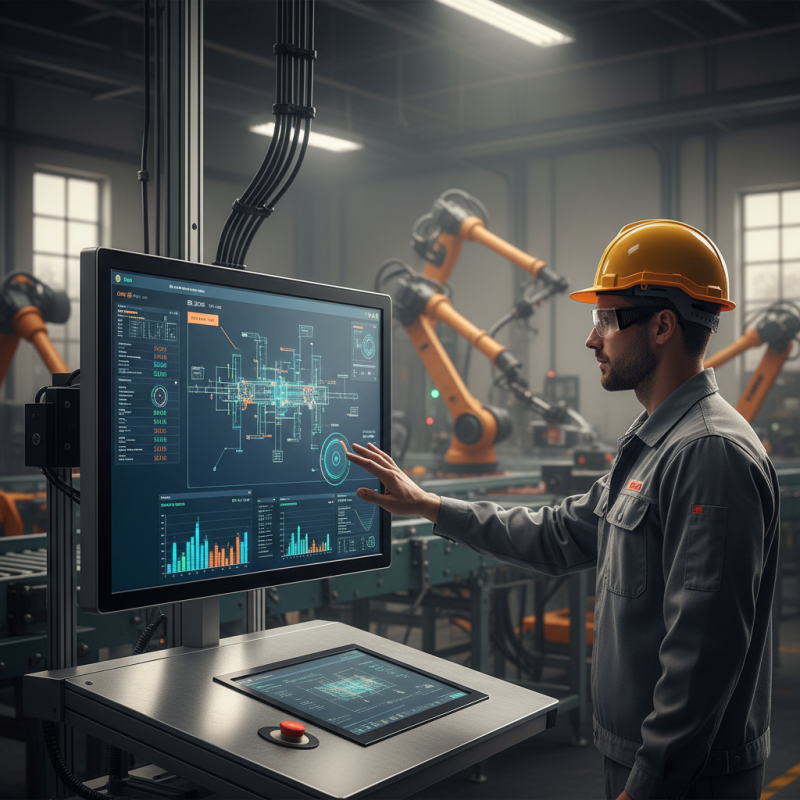
Understanding the Different Types of Industrial Panel PCs Available
When selecting an industrial panel PC, it's crucial to understand the different types available. There are several types, including those designed for harsh environments, with touch screens, and fanless designs. Each type serves distinct purposes and fits various industry needs.
Tip: Consider the environment where the PC will operate. If it's a dusty or wet setting, look for models with rugged enclosures. It's vital to prioritize durability. The screen type matters too. Touch screens can improve usability but might require more maintenance.
Many may overlook the importance of power efficiency. Some panel PCs consume more energy than necessary. This can lead to higher operational costs. Balancing performance with energy use is essential.
Tip: Assess your specific application needs. What's demanding the most resources? Focus on that to avoid potential bottlenecks. Remember, not all features are necessary for every application. Make thoughtful choices.
How to Choose the Best Industrial Panel PC for Your Needs? - Understanding the Different Types of Industrial Panel PCs Available
| Type | Display Size | Resolution | Processor | Operating Temperature | IP Rating |
| Standard Panel PC | 15 inches | 1024 x 768 | Intel Celeron | 0°C to 50°C | IP65 |
| Rugged Panel PC | 21.5 inches | 1920 x 1080 | Intel i5 | -20°C to 60°C | IP67 |
| Fanless Panel PC | 19 inches | 1280 x 1024 | Intel Atom | -10°C to 50°C | IP54 |
| Touchscreen Panel PC | 17 inches | 1280 x 768 | Intel i3 | 0°C to 50°C | IP65 |
| Panel PC with SSD | 24 inches | 1920 x 1200 | Intel i7 | 0°C to 70°C | IP68 |
Key Specifications to Consider When Selecting an Industrial Panel PC
Choosing the right industrial panel PC requires careful consideration of key specifications. Start with the display size. A larger screen can enhance visibility, but it may require more space. Think about your work environment. Brightness and contrast are crucial for readability in outdoor or bright settings. An anti-glare screen might be necessary.
Next, focus on processing power. Look for options that can handle your software requirements. A dual or quad-core processor might be adequate, but complex tasks need more robust solutions. Memory capacity also matters. If you run multiple applications, at least 8GB RAM is advisable.
Connectivity is another vital factor. Check for USB, Ethernet, or Bluetooth options. However, remember that more ports can lead to confusion and clutter. Additionally, consider durability. An IP-rated housing protects against dust and water, but not all environments are the same. Reflect on your specific needs before making a decision.
Assessing the Performance Metrics of Industrial Panel PCs for Your Operations
When selecting an industrial panel PC, performance metrics are crucial. Look closely at processor speed, RAM, and storage options. A powerful processor ensures smooth operation, while sufficient RAM prevents lags during data processing. Storage capacity matters too; consider using solid-state drives for quicker access. These metrics directly impact how efficiently the panel can handle tasks.
Another important aspect is display quality. A clear, bright screen improves visibility, especially in challenging environments. Resolution and touch sensitivity play roles here. Not all screens are equal; some are tougher and can withstand more wear and tear. However, investing in a high-quality display often costs more. This might require budgeting adjustments, reflecting on overall project expenses.
Connectivity often gets overlooked but is essential. Check for multiple ports and wireless options. This enhances versatility in connecting to various devices. Analyze your specific needs, as this may reveal gaps in the capabilities of some models. Finding the right balance between performance, durability, and connectivity can be challenging but is vital for optimal operation.
Comparing Costs: Budgeting for Your Ideal Industrial Panel PC Solution
When budgeting for an industrial panel PC, it’s vital to determine your specific needs. Consider the environment where the device will be used. Will it face extreme temperatures or dust? Specialized features may increase costs but can be necessary for durability. Think about size and display requirements too. A larger, high-resolution screen typically costs more.
Next, compare the essential features versus the extras. Do you need robust processing power or advanced graphics? Sometimes, you may pay for capabilities you won’t use. It’s easy to overspend on unnecessary features. Include potential future upgrades in your calculations, even if they seem far off now.
Finally, consider the total cost of ownership. Maintenance and support can impact your budget. It’s crucial to evaluate warranties and service options. Sometimes a cheaper initial purchase leads to higher long-term costs. Balance initial expenses with long-term value when making decisions. Reflecting on your choices helps in crafting a smart budget.
Evaluating Environmental Factors and Durability Requirements for Panel PCs
When selecting an industrial panel PC, evaluating environmental factors is crucial. Many settings expose these devices to harsh conditions. Temperature fluctuations, dust, moisture, and vibrations can affect performance. Understanding these variables helps in choosing the right panel PC.
Durability is another key aspect. Look for features like rugged enclosures and protective screens. Most panel PCs claim to be resilient. But how do they fare in real-world situations? It’s essential to check IP ratings, which indicate protection levels against dust and water. A higher rating usually means a tougher unit.
Overlooking these factors may lead to failures. A panel PC that cannot withstand its environment will lead to downtime. In industries like manufacturing, this could mean significant losses. Evaluating durability and environmental readiness is not just a choice; it’s a necessity for operational success.
Environmental Factors and Durability Requirements for Industrial Panel PCs
This chart represents the evaluation of key environmental factors and durability requirements for selecting the best industrial panel PC. It compares the importance of different factors on a scale of 1 to 10.