How to Choose the Best Cosmetic Cream Jar for Your Needs?
In today's beauty industry, selecting the right Cosmetic Cream Jar is crucial. A well-designed jar can enhance product visibility and protect formulations. According to market research by Euromonitor, the global cosmetic packaging market is expected to reach $50 billion by 2025. This surge highlights the importance of innovation and functionality in packaging.
Cosmetic Cream Jars come in various materials, such as glass and plastic. Each type influences user perception and product longevity. For instance, glass jars are often preferred for luxury creams due to their aesthetic appeal. However, they can be fragile and heavyweight. Plastic jars, on the other hand, are lightweight and durable, making them a practical choice for everyday use.
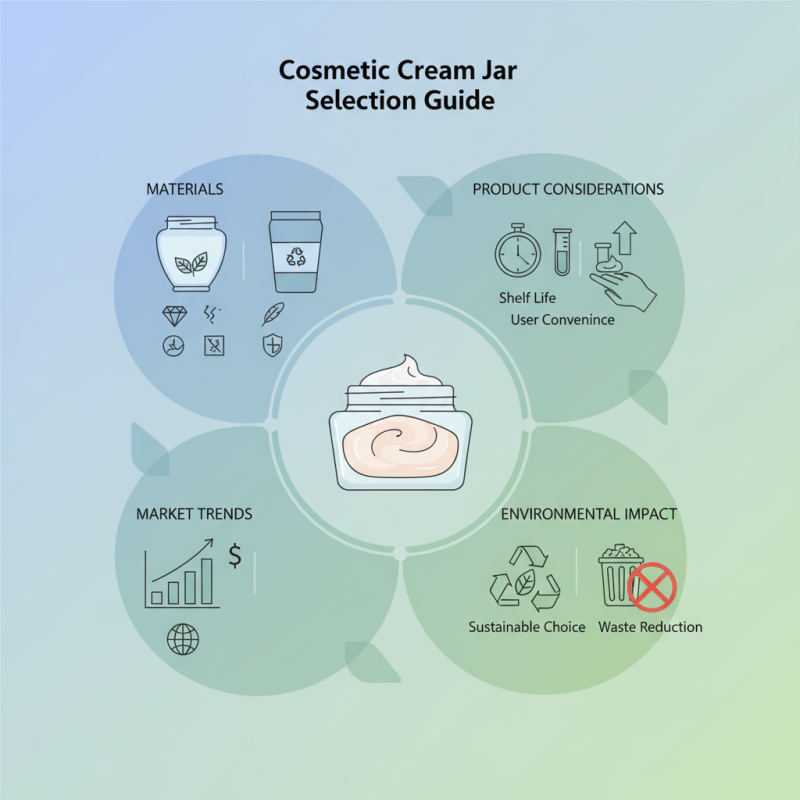
Choosing the right jar is not just about aesthetics. It involves considering factors like the product's shelf life, user convenience, and environmental impact. The wrong jar could compromise the formulation or result in excessive waste. Reflecting on these aspects can help consumers make informed decisions that align with their needs.
Understanding the Importance of Material Selection in Cosmetic Cream Jars
When selecting a cosmetic cream jar, the choice of material is crucial. According to a report by the Packaging Association, over 70% of consumers consider packaging a vital factor in their purchase decisions. Plastic is lightweight and cost-effective but can leach chemicals. Glass, while elegant and recyclable, is heavier and can break easily. This creates a dilemma; the right balance of aesthetics and functionality is important.
Some materials, like PET plastic, are increasingly popular. They are not only durable but also protect contents from harmful UV rays. A study from the Cosmetic Packaging Forum showed that UV protection is essential, as light can degrade certain ingredients. However, environmental concerns are rising. Many brands are moving towards biodegradable or recyclable materials to attract eco-conscious consumers.
Navigating these choices can be challenging. Cost constraints often lead to compromises on quality. While it's tempting to opt for cheaper materials, the long-term effects on product stability and consumer perception must be considered. Each material has pros and cons that must align with brand values. Understanding these intricacies is vital for making informed decisions in cosmetic packaging.
Analyzing Different Types of Cosmetic Jar Designs and Their Benefits
When selecting the right cosmetic cream jar, design plays a crucial role. There are various types of jars, each with unique advantages. Glass jars offer a classic, luxurious feel. They help preserve product quality. However, glass can be heavy and fragile. Plastic jars are lightweight and easy to carry, but may not maintain freshness as well.
Consider the closure type too. Screw-top lids provide a tight seal, reducing air exposure. Flip-top lids are convenient for quick access, but may not prevent leakage effectively. Both types can be visually appealing. Choosing the right closure aligns with user habits and product type.
Tips: Look for jars with UV protection if your cream does not like light. Pay attention to sizes. Smaller jars are perfect for travel, while larger ones suit regular use. Test different designs to see what feels best for your routine.
Evaluating Size and Capacity Based on Product Formulation Needs
Choosing the right cosmetic cream jar requires careful consideration of size and capacity. A 50ml jar may work well for thick creams, while lighter lotions often fit better in 30ml containers. Different formulations have unique needs. If a product has a higher water content, a larger jar may be necessary to accommodate the application process.
Take hydration creams, for example. They often require more product per use. Using a smaller jar for this can lead to frequent replacements, which is inconvenient. On the other hand, thicker, richer creams might last longer in a smaller container. It’s crucial to consider how often you will use the product. Will you reach for it daily or just occasionally?
Let’s not forget about aesthetics. A beautiful jar can elevate your bathroom decor. Yet, if it’s too large, it could take up unnecessary space. Reflect on your routines and preferences. Are you willing to trade functionality for looks? Finding that balance is key to making the right choice, even if it means some jars sit on your shelf for too long.
Considering Eco-Friendly Options: Sustainable Materials in Cosmetic Packaging
When selecting a cosmetic cream jar, sustainability is key. Eco-friendly packaging materials are gaining popularity. Many brands are now offering jars made from recycled plastic, glass, or biodegradable composites. These options reduce environmental impact and showcase commitment to the planet’s future.
Consumers often overlook the importance of the materials used. A stylish jar may catch the eye, but not all packaging is eco-conscious. Some containers take centuries to decompose. Consider how long your jar will last in landfills. Choosing sustainable materials can feel overwhelming. But every small decision contributes to a larger change.
Aesthetic appeal and eco-friendliness should go hand in hand. Look for jars that balance both. Innovative designs can use minimal packaging without sacrificing style. Reflect on your choices. Are you contributing to a sustainable future? Making informed decisions empowers consumers. It pushes the industry towards greener solutions.
Assessing User Experience: Ergonomics and Aesthetics in Cosmetic Jars
When selecting a cosmetic jar, focus on both ergonomics and aesthetics. User experience plays a crucial role in this process. A well-designed jar should feel comfortable in your hand. Research shows that 75% of consumers prefer jars that are easy to open. Difficulty with jar lids can lead to frustration and decreased use.
Aesthetic appeal is also vital. The visual design speaks volumes about the product inside. In a survey, 65% of respondents said they would choose a product based purely on its packaging. This highlights the importance of a jar's style. However, beautiful jars often sacrifice functionality. Fragile materials or complex designs may not hold up well over time. Brands should consider this balance seriously.
Additionally, consider how a jar interacts with its environment. Many cosmetic jars have a sleek look but struggle under daily use. Reviews often mention how quickly lids wear out or how easily jars tip over. Brands must reflect on these user experiences. Improving both ergonomics and aesthetics could significantly enhance customer satisfaction. It's a challenging line to walk, but essential for creating lasting products.