
China Best Vending Machine Business Opportunities?
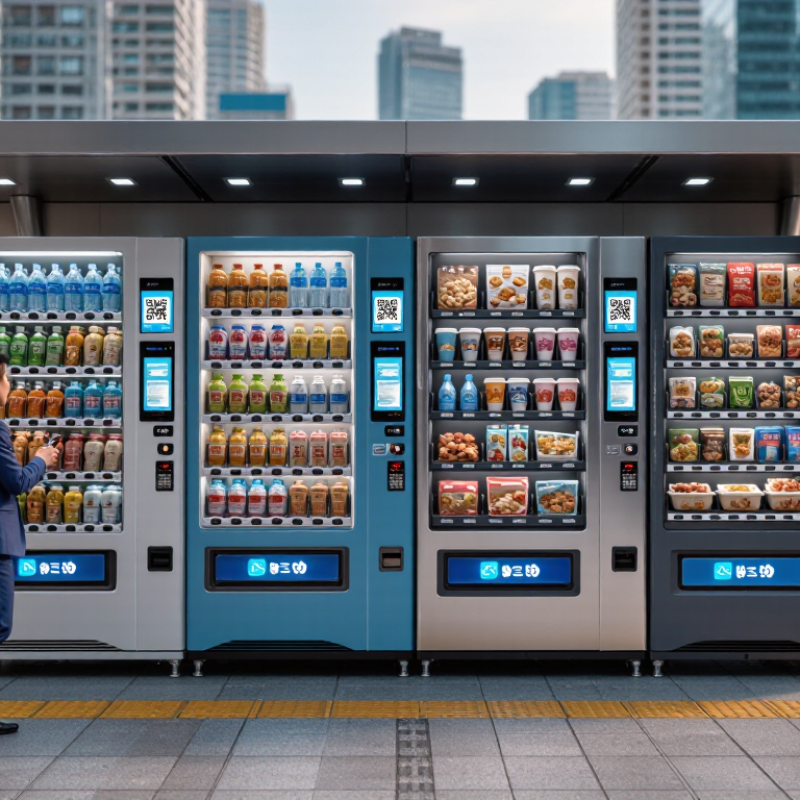
China offers diverse opportunities for a Vending Machine Business, but success depends on location, product fit, and daily execution. A machine outside a busy metro station serves a different customer than one inside an office lobby. Commuters may want bottled water, coffee, or quick breakfast items. Office workers may prefer fresh snacks, personal-care products, and convenient lunch options.
Rick West, a longtime vending technology executive and industry commentator, has said, “Cashless payment is no longer optional; it is essential to modern vending.” His observation matters in China, where mobile payments, QR codes, and digital wallets shape everyday purchasing habits. A reliable machine should support fast payment, remote inventory monitoring, temperature control, and clear product pricing. These features reduce empty spirals and help operators respond before customers lose trust.
The best opportunity is not always the most expensive machine. A compact refrigerated unit may outperform a large model when placed near a university gate, hospital entrance, factory dormitory, or residential compound. Operators should study foot traffic at different hours, test several products, and track sales by location. Small details matter, such as lighting, product visibility, refund speed, and machine cleanliness.
There is no universal winner.
Many business plans overestimate sales and underestimate maintenance. That weakness deserves honest attention. Local competition, rental fees, seasonal demand, and product expiration can quickly change the numbers. This guide examines practical China Vending Machine Business opportunities, supplier considerations, operating risks, and measurable ways to select locations with greater confidence.
Vending Machine Business Models in China
China Best Vending Machine Business Opportunities?
Vending Machine Business Models in China
China’s vending machine market supports several practical business models. Direct operation gives owners control over product selection, pricing, and maintenance. It also requires stronger daily management. Operators must monitor sales data, refill products, and handle payment failures quickly. A revenue-sharing model places machines in offices, factories, schools, residential communities, or transport areas. The property owner receives an agreed percentage of sales. This reduces location costs, but negotiations can become difficult.
Leasing is another option for small investors. The operator rents equipment and manages inventory independently. This lowers the initial investment, though monthly payments continue during slow seasons. Some businesses use a hybrid model. They combine packaged food, drinks, personal-care items, and local service information. Product choice should follow customer habits, not personal preference. A cold drink may sell well near a gym, while breakfast items fit an office entrance.
Location data matters. Measure foot traffic at different hours, not just once. Check electricity access, network stability, cleaning requirements, and local approvals. Food-related machines need clear storage controls and regular expiry checks. Customer data should be collected carefully and handled according to applicable privacy rules.
The model is not passive income. A machine can look attractive and still lose money because of weak replenishment. I would not treat one successful month as proof. Test one location, record sales by hour, and revise the product mix. Small operational mistakes often reveal more than optimistic forecasts.
| Business Model | Typical Product Mix | Best Locations | Indicative Initial Investment per Machine | Typical Monthly Sales Potential | Indicative Gross Margin | Estimated Payback Period | Main Revenue Drivers | Key Risks and Requirements |
|---|---|---|---|---|---|---|---|---|
| Packaged Food and Beverage Vending | Bottled water, soft drinks, ready-to-drink tea, coffee, snacks and packaged meals | Factories, office buildings, universities, hospitals, transport hubs and residential communities | RMB 25,000–80,000, including the machine, payment system, delivery, installation and initial inventory | RMB 8,000–30,000, depending mainly on foot traffic, operating hours and site quality | 18%–35% | 18–36 months | Daily necessity purchases, convenient access and high-frequency repeat consumption | Site commission, product expiration, replenishment efficiency, electricity costs and local placement permission |
| Fresh Food and Prepared Meal Vending | Fresh fruit, sandwiches, salads, boxed meals and chilled ready-to-eat food | Large office parks, hospitals, universities, industrial campuses and transport facilities | RMB 45,000–150,000, with higher costs for refrigeration, temperature monitoring and food-safety equipment | RMB 12,000–45,000 in well-managed, high-density locations | 25%–45% | 24–42 months | Meal replacement demand, limited nearby food options and higher average transaction value | Short shelf life, food-safety compliance, temperature control, unsold inventory and frequent replenishment |
| Coffee and Hot Beverage Vending | Freshly prepared coffee, milk-based drinks, tea and hot chocolate | Office towers, universities, hospitals, business parks and high-speed rail or metro facilities | RMB 35,000–120,000, depending on brewing technology, refrigeration and payment hardware | RMB 10,000–40,000 at locations with strong morning and afternoon demand | 45%–65% | 15–30 months | High beverage markups, repeat purchases and relatively low product storage requirements | Water quality, cleaning frequency, ingredient replenishment, equipment maintenance and consumer taste preferences |
| Ice Cream and Frozen Food Vending | Ice cream, frozen snacks, frozen dumplings and other frozen convenience foods | Shopping areas, cinemas, schools, parks, tourist sites and residential communities | RMB 30,000–90,000, mainly determined by freezer capacity and temperature-control specifications | RMB 6,000–25,000, with substantial seasonal variation | 20%–40% | 24–48 months | Impulse purchases, summer demand and extended selling hours | Seasonality, electricity consumption, freezer failure, temperature monitoring and weather sensitivity |
| Personal Care and Emergency Essentials | Sanitary products, tissues, masks, toiletries, chargers, umbrellas and basic first-aid items | Universities, hotels, railway stations, airports, hospitals, public restrooms and residential communities | RMB 15,000–60,000, depending on cabinet size, security features and payment configuration | RMB 3,000–15,000, with higher performance in locations where products are needed immediately | 30%–60% | 18–36 months | Urgent purchases, convenience, privacy and low space requirements | Restricted-product rules, theft prevention, low purchase frequency and the need for accurate product selection |
| Electronics Accessories Vending | Charging cables, adapters, earphones, power banks and small digital accessories | Transport hubs, universities, hotels, conference venues and office complexes | RMB 20,000–70,000, including secure compartments and electronic payment functions | RMB 5,000–20,000 | 35%–65% | 18–36 months | High urgency, compact inventory and comparatively high unit margins | Fast product obsolescence, counterfeit-control requirements, warranty handling and inventory security |
| Rental and Deposit-Based Vending | Power banks, umbrellas, sports equipment, luggage accessories and other reusable items | Transport hubs, shopping centers, tourist attractions, campuses and entertainment venues | RMB 20,000–100,000, depending on the number of rental compartments and return infrastructure | RMB 4,000–25,000, including rental fees, late fees and replacement charges | 40%–75% after utilization becomes stable | 18–40 months | Repeated rental transactions, deposits, convenience and relatively low consumable costs | Loss and damage, return-point coverage, equipment tracking, customer disputes and utilization volatility |
| Community Fresh Produce Vending | Eggs, milk, fruit, vegetables, packaged meat and daily grocery items | Large residential compounds, community entrances and areas with limited late-night retail access | RMB 40,000–130,000, depending on refrigeration, storage capacity and remote-monitoring functions | RMB 8,000–35,000 | 12%–28% | 24–48 months | Frequent household purchases, late-hour availability and neighborhood convenience | Low grocery margins, spoilage, community-property approval, cold-chain management and delivery frequency |
| Customized Corporate or Campus Vending | Branded internal supplies, employee benefits, school necessities and event-specific products | Corporate campuses, universities, factories, hospitals and closed management sites | RMB 25,000–100,000, often supported by customized software or account-based payment systems | RMB 6,000–28,000, depending on the size and activity level of the closed population | 20%–45% | 20–42 months | Stable user groups, contracted placement and predictable replenishment demand | Long sales cycles, procurement procedures, site exclusivity, service-level obligations and dependence on one contract |
Related Posts
-
How to Find a Free Vending Machine Supplier?
-
Why Choose a Touch Screen Vending Machine?
-
The Definitive Resource for Sourcing Touch Screen Vending Machines Worldwide
-
Why Choose Smart Vending Solutions for Global Business?
-
What is the Future of Hot Drinks Machines in Modern Businesses
-
Best Card Vending Machine Options for Your Business Needs?