What are the Best Cosmetic Jars for Your Skincare Routine?
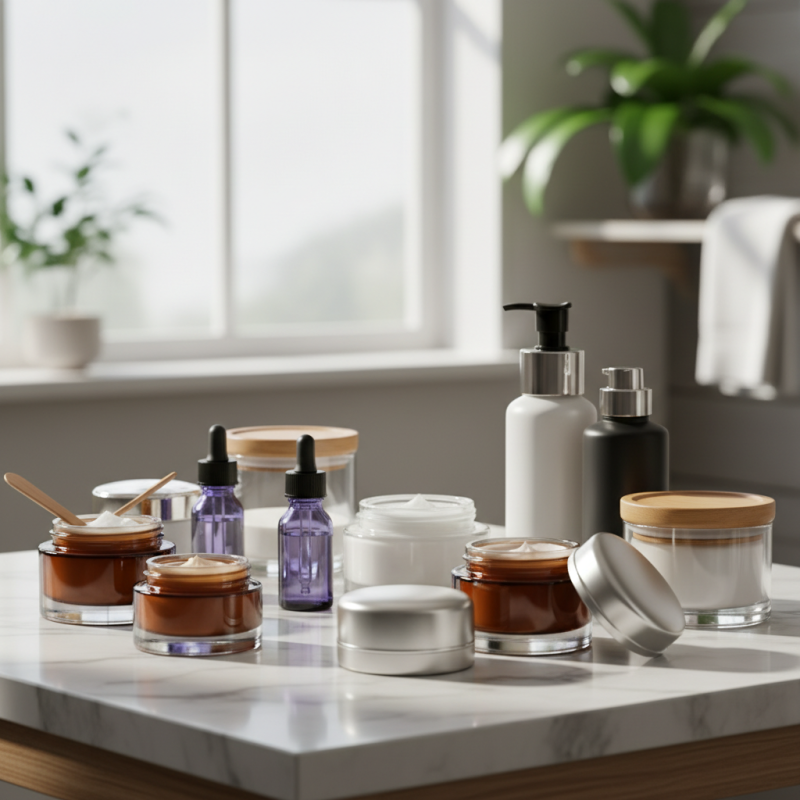
Choosing the right Cosmetic Jars can elevate your skincare routine. These jars are not just about storage; they play a vital role in preserving your products. Quality cosmetic jars come in various materials, including glass and plastic. Each material has its pros and cons, impacting durability and safety.
Glass jars offer protection against air and light, which helps maintain product integrity. Yet, they may be heavier and more fragile. Plastic jars, on the other hand, are lightweight and less prone to breaking, but they may not provide the same level of protection. It’s essential to balance convenience and preservation.
Consider the size of your jars as well. Small jars may lead to frequent repurchases, while larger ones can sometimes be wasteful if you do not use the product quickly. Finding the perfect balance is crucial. Reflect on your needs and take your time when selecting cosmetic jars.
Understanding the Importance of Cosmetic Jars in Skincare
Cosmetic jars play a crucial role in skincare routines. A study from the Journal of Cosmetic Science highlighted that packaging significantly affects product efficacy and user satisfaction. The right cosmetic jar maintains product integrity and enhances the application experience. Many consumers overlook this aspect, yet it directly impacts how products perform.
Choosing the right jar involves understanding material properties. Glass jars are often preferred for their non-reactive nature. On the other hand, plastic jars can be lightweight and travel-friendly. However, certain plastics can leach chemicals, raising concerns about product safety. Research indicates that 25% of users experience adverse reactions due to compromised formulations from improper packaging.
Moreover, the design of the jar matters. A user-friendly design encourages regular use and fosters a positive skincare habit. In contrast, jars that are difficult to open or dispense can lead to waste and frustration. It’s essential to reflect on these details when selecting jars, as their quality and usability can influence your skincare journey significantly.
Types of Cosmetic Jars: Materials and Their Benefits
When selecting cosmetic jars for your skincare routine, the material matters. Glass jars offer a premium feel and excellent preservation. They do not react with products, ensuring quality. Research shows that glass maintains the integrity of serums better than plastic. However, they are heavier and may break easily.
Plastic jars are lightweight and break-resistant. They are often more affordable too. Yet, some plastics can leach chemicals into products. A study mentioned that 25% of consumers are concerned about plastic safety in cosmetic containers. Choosing BPA-free options can mitigate these risks, but not all plastics are equal.
Tips: Always check for UV protection in your jars. This helps preserve delicate formulations. Additionally, consider air-tight seals. They prevent oxidation and keep products fresh longer.
Sustainable materials are also gaining popularity. Bamboo and recycled plastic jars are environmentally friendly choices. However, they may not always offer the same level of protection as glass or high-quality plastics. Choosing the right jar is essential to ensure your skincare products stay effective.
What are the Best Cosmetic Jars for Your Skincare Routine? - Types of Cosmetic Jars: Materials and Their Benefits
| Material | Benefits | Ideal For | Eco-Friendliness |
| Glass | Non-reactive, preserves product integrity, aesthetically pleasing | High-end creams and serums | Recyclable, reusable |
| Plastic | Lightweight, less prone to breakage, cost-effective | Travel-size products, everyday skincare | Depends on type; some are recyclable |
| Acrylic | Clear design, lightweight, durable | Display jars, sample products | Not biodegradable but can be recycled |
| Metal | Durable, can provide airtight seals, stylish | Balms, oils, and thicker creams | Recyclable, some can be reused |
Choosing the Right Size: How Much Product Should You Store?
Choosing the right size for your cosmetic jars is crucial. Think about the amount of product you typically use. A small jar may work well for daily creams, but larger ones might suit bulkier items. Finding balance is key.
Consider how long you plan to keep the product. If you tend to purchase items in bulk, larger jars can be ideal. However, for short-term use, a smaller jar is often better. It's easy to overestimate how much we need. Sometimes, we end up with half-used jars gathering dust.
Don’t overlook the jar's air exposure. Larger containers can lead to quicker degradation of ingredients. Keep in mind that daily use might also vary. You may find yourself stuck with too much of one product. Reflect on your habits to ensure your selection fits your routine.
Features to Look for in High-Quality Cosmetic Jars
When selecting cosmetic jars for your skincare routine, quality is paramount. High-quality jars help preserve the potency of your products. Look for jars made from materials that block UV rays. This can significantly extend the shelf life of sensitive ingredients. A report by Beauty Packaging reveals that 70% of consumers consider packaging critical to product efficacy.
Another vital feature is the type of closure. Air-tight seals can prevent contaminants from entering the jar. Studies show that exposure to air can degrade active ingredients, leading to wasted products. These details matter: jars that are easy to open can enhance user experience, but they should still maintain effective sealing. Consider options with internal mechanisms that guard against moisture.
Lastly, consider size and usability. Not all jars need to be large. Many consumers prefer smaller jars for ease of travel and daily use. However, larger jars can be more cost-effective for frequent users. The balance between size and convenience is often overlooked. People can end up buying products that are either too big or too small, leading to dissatisfaction. The right jar should reflect your skincare habits and lifestyle.
Top Brands and Recommendations for Cosmetic Jars in Skincare
Choosing the right cosmetic jars can greatly enhance your skincare routine. You want jars that not only look good but also keep your products fresh. Look for jars that are airtight and UV-protected. This helps in preserving the quality of your creams and serums. Consider materials like glass and high-quality plastics. They can protect contents better than cheaper alternatives.
When picking jars, think about size. A small jar is perfect for travel or sampling new products. Larger jars work well for daily use. However, larger jars can lead to waste if you don't use the product quickly. Remember, some jars can absorb ingredients and react with them. This can change the formulation, so always choose wisely.
Tips for organizing your jars: use labels to mark different products. This prevents confusion and saves time. You can also group jars by type, like moisturizers or serums, for easy access. Ensure to keep jars clean and dry before reusing. It's a small step that can make a big difference. Enjoy discovering the best jars that fit your needs. Reflection helps in finding what works best for you.