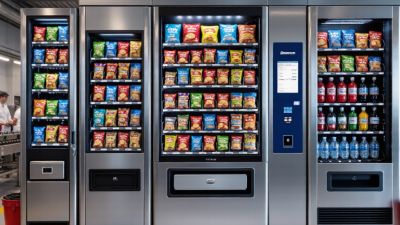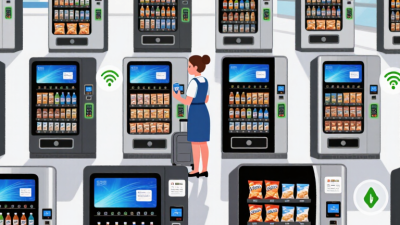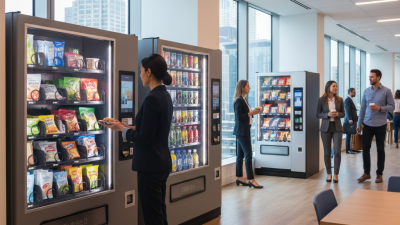
Choosing the right Snack Machine is not simply a matter of selecting the newest model. Global buyers must match equipment with products, locations, climate, payment habits, and service capacity. A compact spiral machine may suit an office lobby. A refrigerated unit may perform better near a gym or transport hub.
The market is changing quickly. Smart Snack Machine models now offer cashless payments, inventory alerts, remote monitoring, and clearer sales data. However, technology can increase maintenance demands. A basic machine may outperform a connected model when local technical support is limited. That practical difference is easy to overlook.
Michael A. Kasavana, Ph.D., a respected vending-industry researcher, states, “The best vending experience removes friction at the point of purchase.” This principle guides the 2026 comparison. Buyers should examine product capacity, energy use, temperature control, accessibility, payment security, cleaning needs, and spare-part availability. These details matter more than attractive screens.
No ranking is perfect. Real locations are messy.
This guide reviews the leading Snack Machine types for international buyers, including coil, elevator, refrigerated, combo, smart, and bulk models. It considers where each format works best and where it may disappoint. A coastal site can challenge sensitive electronics. A remote area can expose weak service networks. A busy station can punish slow dispensing. Careful evaluation remains essential. The strongest choice is not always the most advanced one. It is the machine that keeps products fresh, transactions simple, and downtime manageable.
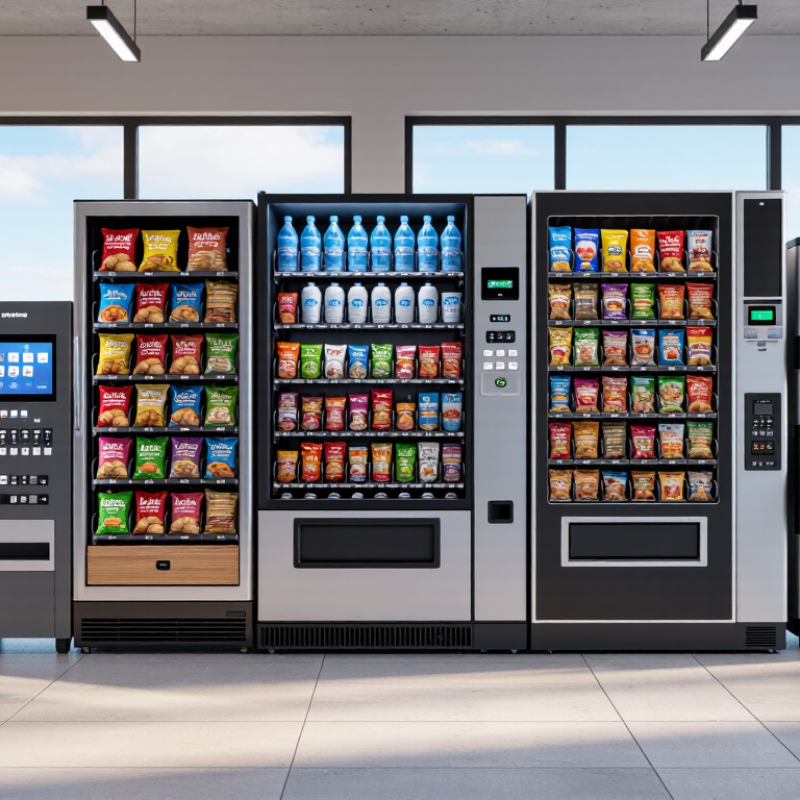
Snack machines are automated retail units that store, display, sell, and dispense packaged food. They usually combine product spirals, a payment system, temperature controls, and electronic inventory records. NAMA’s 2022 Census reported $26.3 billion in U.S. vending sales. This figure shows the sector’s scale, but it does not guarantee equal demand in every country.
Global buyers should compare machine types with the selling environment. Glass-front snack machines suit offices, schools, and transport areas with steady foot traffic. Combo machines offer snacks and drinks in one cabinet, helping locations with limited floor space. Refrigerated units support products needing controlled temperatures, while compact countertop models fit small workplaces. Each design affects loading time, energy use, product visibility, and maintenance access.
Field experience suggests that simple machines can outperform advanced models in difficult locations. A reliable spiral mechanism may matter more than a large touchscreen. Buyers should check voltage, payment compatibility, local service skills, and spare-part availability before ordering. The $26.3 billion figure also needs careful interpretation; it reflects U.S. vending sales, not global snack-machine revenue. Forecasts can be useful, but real results depend on rent, consumer habits, weather, and refill discipline. One overlooked detail is product packaging. Soft bags can jam more easily than rigid packs, especially when shelves are poorly adjusted.
For global buyers, coil snack machines remain practical for offices, schools, transport hubs, and retail spaces. Their visible spiral design makes product selection easy, even in low-attention areas. Capacity depends on cabinet width, shelf count, and coil arrangement. A narrow machine may hold 30 selections, while a larger model can exceed 60. However, selection count does not equal useful capacity. Large bags, boxed snacks, and irregular packages often need wider coils.
Product size should guide every configuration decision. Measure each package, including its height, depth, and seal thickness. A product that fits tightly may hang after the spiral turns. That small failure can damage customer confidence. Do not trust catalog measurements alone. Test real products with full shelves before ordering.
Tips: Ask for sample coils and loading videos. Check whether coil spacing can be changed without special tools. Keep heavier snacks on lower shelves. Use clear product labels and stable pricing displays. A short field test often reveals more than a polished specification sheet.
Mechanical reliability comes from simple movement, strong wiring, and consistent alignment. During inspection, rotate every coil slowly and listen for grinding, clicking, or uneven resistance. Check the delivery flap, motor connections, shelf supports, and temperature controls. Dust and humidity can reduce performance, especially in coastal or outdoor locations. Spare motors and standard electrical parts also matter for overseas maintenance. I have seen reliable machines fail because operators overloaded one narrow coil. Capacity claims need practical testing, not hopeful assumptions.
2026 Top Snack Machine Types for Global Buyers
Refrigerated snack machines need more than attractive displays and steady sales. For perishable snacks, the FDA Food Code uses 41°F (5°C) as a cold-holding benchmark. This applies to many temperature-controlled foods, including filled sandwiches, dairy snacks, and cut fruit. The benchmark is practical, but it is not automatically the law everywhere. Buyers should check the requirements of each operating region.
A reliable machine should recover quickly after door openings and product loading. Internal air temperature can look safe while food remains too warm. Use a calibrated probe thermometer during acceptance testing. Check several shelf positions, especially near the door and cooling outlet. Record readings at different times. Small gaps in monitoring can become expensive problems.
Keep products below the marked limit.
Choose machines with clear temperature displays, alarms, and easy-clean interiors. Staff should rotate stock and avoid blocking airflow with tightly packed trays. A temperature log also supports traceability when inspectors or customers ask questions. Still, specifications can be misunderstood. A machine rated for cold storage may perform poorly in a hot lobby or direct sunlight. Test the actual location, not only the brochure. Local food authorities may set stricter rules, and those differences deserve careful review before international deployment.
| Machine Type | Typical Product Range | Recommended Holding Temperature | Typical Capacity | Best-Fit Locations | Main Purchasing Advantage | Key Compliance Consideration |
|---|---|---|---|---|---|---|
| Ambient Snack Machine | Packaged chips, crackers, cookies, candy, nuts, and shelf-stable cereal bars | Ambient conditions; protect products from excessive heat, moisture, and direct sunlight | Approximately 150–500 product selections, depending on cabinet size and package dimensions | Offices, schools, transit areas, warehouses, and indoor public facilities | Lower operating complexity because refrigeration is not required | Use only for products approved for ambient storage and follow the package label |
| Refrigerated Snack Machine | Chilled sandwiches, salads, dairy snacks, cut fruit, juice, and other time/temperature-control-for-safety foods | 41°F (5°C) or below for food requiring cold holding under the FDA Food Code benchmark | Approximately 30–100 selections, depending on shelf layout and package size | Hospitals, universities, offices, gyms, transport hubs, and 24-hour facilities | Supports fresh and chilled food sales where consumers expect ready-to-eat options | Monitor product temperature, maintain airflow, control stock rotation, and follow local food regulations |
| Frozen Food Machine | Ice cream, frozen desserts, frozen meals, and other products labeled for frozen storage | Typically 0°F (−18°C) or below for long-term frozen-food storage, subject to product requirements | Approximately 20–80 selections, depending on freezer configuration | Outdoor leisure areas, campuses, entertainment venues, and high-footfall retail locations | Extends the range of products available beyond ambient and chilled snacks | Prevent thawing and refreezing; verify that the cabinet can maintain the required product temperature |
| Combo Snack & Beverage Machine | Packaged snacks together with bottled or canned beverages; refrigerated versions may include chilled foods | Ambient for shelf-stable products; 41°F (5°C) or below for refrigerated TCS foods | Approximately 100–300 total selections across snack and beverage columns | Workplaces, hotels, residential buildings, hospitals, and transport facilities | Broad product mix with one footprint and one customer-facing interface | Separate ambient and refrigerated zones when products have different storage requirements |
| Fresh-Meal Vending Machine | Prepared meals, sandwiches, salads, fruit cups, yogurt, and other ready-to-eat chilled foods | 41°F (5°C) or below for cold holding of applicable TCS foods | Approximately 20–80 meal and snack selections | Hospitals, campuses, offices, factories, and locations with limited food-service hours | Higher-value food assortment and convenient access outside standard meal periods | Apply strict date marking, stock rotation, temperature checks, and sanitation procedures |
| Smart Locker Food Machine | Individually packaged chilled meals, grocery items, beverages, and preordered food | Refrigerated compartments should maintain 41°F (5°C) or below where required by the food type | Approximately 10–60 compartments, depending on locker dimensions | Residential buildings, offices, campuses, hospitals, and pickup points | Flexible pickup design for larger packages and scheduled food orders | Temperature control must continue during storage and pickup; access and cleaning procedures should be documented |
Smart combo machines are becoming a practical choice for global snack operators. The 2024 Global Payments Report recorded digital wallets at about 50% of global e-commerce value and 30% of point-of-sale value in 2023. That shift is visible at the machine: shoppers expect tap-to-pay, QR options, and quick receipt confirmation. A failed reader still creates an abandoned purchase. Buyers should test payment speed, offline handling, refunds, and currency settings before approving large deployments.
Telemetry adds operational value beyond sales tracking. A machine can report low spirals, temperature changes, door openings, and payment errors within minutes. This helps technicians carry the correct parts and reduces unnecessary site visits.
However, data quality depends on stable connectivity and accurate sensors. A dashboard may look impressive while showing delayed or incomplete records. Pilot testing matters. Small details matter more.
Security must be designed into the purchase contract. PCI Security Standards Council guidance for PCI DSS v4.0.1 emphasizes stronger authentication, targeted risk analysis, and documented responsibility. Payment terminals should isolate card data from the machine controller whenever possible. Use tokenization, encrypted connections, strict administrator access, and scheduled software updates. The Federal Reserve’s 2024 Diary of Consumer Payment Choice also found cash represented only 16% of consumer payments, but cash remains relevant in many markets. A fully cashless machine may be efficient, yet not universally practical. That is a weakness worth admitting. Reliable buyers should request compliance evidence, incident procedures, and clear telemetry ownership before installation.
Location should decide the machine before the product list. In office lobbies, schools, and apartment entrances, ambient spiral machines suit steady traffic and packaged snacks. They need standard power and simpler maintenance. NAMA’s 2022 State of the Industry Report valued U.S. vending sales at about $18.2 billion in 2021, showing the scale of everyday demand. Yet volume alone can mislead.
Busy transit hubs need faster dispensing. A larger multi-column machine reduces queues during morning peaks. Airports, hospitals, and gyms may justify refrigerated machines for sandwiches, fruit, and chilled drinks. Those units need stable electricity, ventilation space, and stricter restocking routines. The International Energy Agency’s Energy Efficiency 2024 report highlights the continuing importance of efficient cooling as electricity demand rises. A poorly placed refrigerated unit can waste energy and stock.
Power access matters more than many buyers expect. Outdoor sites may require weather protection, surge control, and reliable network coverage. Remote locations often perform better with long-life ambient products and larger inventory capacity. I would test payment speed and product temperature during the busiest hour. Forecasts are never perfect. A machine that sells well for one month may fail after seasonal traffic changes. Track hourly sales, refill frequency, spoilage, and unavailable selections for at least eight weeks. Small data beats confident guessing.
Choosing by location: matching machine type to traffic, power availability, and product demand
The benchmark score ranges from 1 to 5 and combines typical pedestrian traffic, electrical availability, replenishment needs, and demand for ambient, chilled, frozen, or fresh products. Higher scores indicate a stronger operational fit for the location.